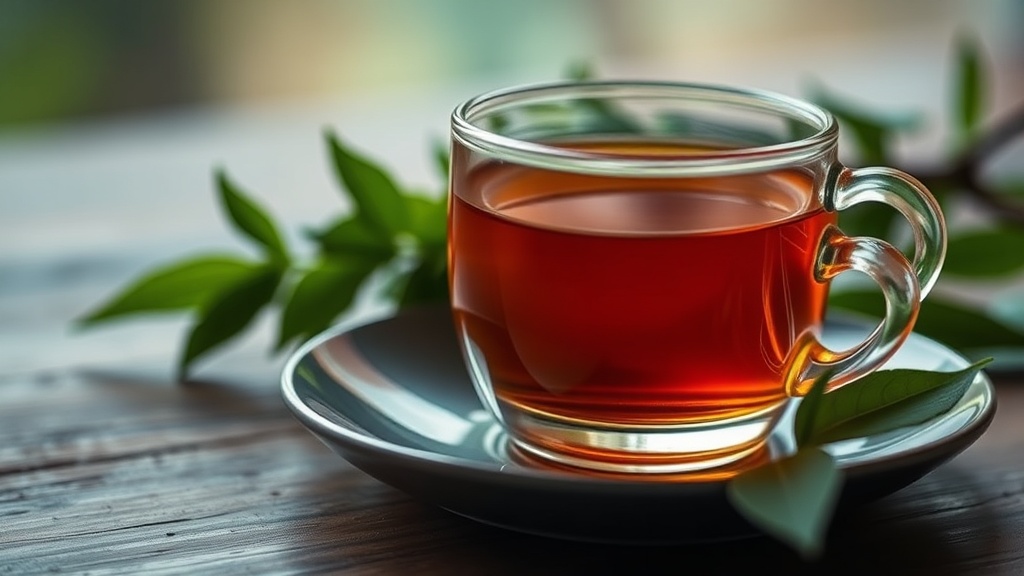
7 Botanical Teas for Calming Your Nervous System

Lavender: The Soothing Scent
Chamomile: Gentle Grounding
Lemon Balm: Uplifting Calm
Ashwagandha: Adaptogenic Support
Passionflower: Deep Relaxation
Holy Basil: Stress Resilience
Valerian Root: Restful Sleep Support
Recent studies from the National Institutes of Health suggest that chronic stress can physically alter the structure of the brain, specifically impacting the amygdala. This post explores seven specific botanical teas that can help soothe the nervous system, reduce cortisol spikes, and promote a sense of calm through natural plant chemistry. We’ll look at the specific properties of each herb and how to use them effectively.
Why Should You Drink Botanical Teas for Stress?
Botanical teas work by introducing bioactive compounds—like flavonoids and terpenes—into your system that interact with your neurotransmitters. Unlike a quick caffeine hit that often leads to a crash, these herbal infusions work to stabilize the body's response to external stressors. It's about long-term regulation rather than a temporary fix.
Most people reach for a sugary snack or a heavy meal when they feel overwhelmed. That's a mistake. While a snack provides a temporary glucose spike, a warm cup of herbal tea provides a sensory ritual that signals to your brain that it's safe to relax. It's a simple, low-cost way to practice self-regulation.
The science behind this is actually quite interesting. Many of these herbs are classified as adaptogens or nervines. A nervine is a substance that specifically targets the nervous system to soothe or tone it. Using these plants isn't just about the flavor; it's about the chemical interaction between the plant and your biology.
What Are the Best Teas for Anxiety?
Chamomile is widely considered the gold standard for mild anxiety due to its high concentration of apigenin, an antioxidant that binds to certain receptors in your brain. It's a gentle, reliable option for anyone needing a mental "reset."
If you've ever felt that jittery, "on edge" feeling in your chest, chamomile might be your best friend. It doesn't knock you out like a sedative, but it certainly takes the edge off. You can find high-quality loose-leaf chamomile from brands like Traditional Medicinals, which maintains much higher potency than the dusty tea bags found in most grocery stores.
Lemon Balm (Melissa officinalis) is another powerhouse. It belongs to the mint family and is frequently used to reduce excitability and improve cognitive function during stressful periods. It has a bright, citrusy flavor that makes it much more pleasant than the earthy, sometimes bitter taste of other medicinal herbs.
Passionflower is a bit more potent. It's often used by herbalists to treat insomnia and severe restlessness. It works by increasing levels of gamma-aminobutyric acid (GABA) in the brain, a neurotransmitter that lowers brain activity. (Note: If you're already taking sedative medication, check with a professional first.)
Lavender isn't just for smelling. While most people associate it with aromatherapy, drinking a high-quality lavender tea can be incredibly effective for calming the central nervous system. The scent of the steam alone provides a dual-sensory experience that helps ground you in the present moment.
Comparing Common Calming Herbs
| Herb Name | Primary Benefit | Best Time to Drink | Flavor Profile |
|---|---|---|---|
| Chamomile | Muscle relaxation & sleep support | Evening/Bedtime | Floral & Apple-like |
| Lemon Balm | Mood lifting & focus | Afternoon/Mid-day | Bright & Citrusy |
| Passionflower | Deep sedation & anxiety relief | Nighttime | Mildly Earthy |
| Holy Basil (Tulsi) | Cortisol regulation | Morning or Afternoon | Peppery & Spicy |
How Do I Use Holy Basil for Cortisol?
Holy Basil, also known as Tulsi, is an adaptogen that helps your body adapt to physical and mental stress. It doesn't just "calm" you; it helps balance your internal systems so you don't react as intensely to stressors in the first place.
I love incorporating Tulsi into my morning routine. Instead of a second cup of coffee—which usually just adds to my anxiety—I'll drink a cup of Tulsi. It provides a sense of groundedness that caffeine lacks. It's a way to start the day with intention rather than a jolt to the system.
The flavor is a bit more complex than your standard chamomile. It has a hint of clove and a slight pepperiness. If you find it too strong, try blending it with a bit of peppermint. It’s a great way to support your adrenal health over time.
Can Peppermint Help with Nervous Tension?
Peppermint is primarily used to soothe the digestive system, but its effect on the nervous system comes through its ability to relieve physical tension and discomfort. It's a cooling herb that can help when stress manifests as physical tightness or even nausea.
When you're feeling "tight" or physically constricted due to stress, a peppermint tea can help loosen that tension. It’s a great tool for those moments when your stress feels very much in your body—like a clenched jaw or a tight stomach. It's a way to bridge the gap between mental stress and physical relief.
For a deeper dive into how physical wellness and mental states interact, you might find my post on nurturing your gut microbiome helpful. The gut-brain axis is a real thing, and what you drink can impact both your digestion and your mood.
What is the Best Way to Brew Herbal Tea?
The effectiveness of your tea depends heavily on your brewing technique. Most people under-brew their herbs, resulting in a weak, unhelpful liquid. To get the most out of your botanicals, you need to treat them with a bit of respect.
- Use Boiling Water: For hardier herbs like Holy Basil or Rooibos, you want water that is at a full boil.
- Cover the Cup: This is the most important step. Many of the calming properties in these plants come from volatile oils. If you don't cover your mug with a lid or a small saucer while it steeps, those oils will evaporate into the air instead of staying in your tea.
- Steep Time: For a medicinal effect, don't just dip a bag for two minutes. Let your tea steep for at least 5 to 7 minutes.
- Temperature Control: For delicate flowers like Chamomile or Lavender, let the water sit for a minute after boiling so you don't "scald" the flowers, which can make them taste bitter.
If you're looking for more ways to optimize your rest, I've written a detailed guide on crafting a natural sleep sanctuary. Setting the right environment is just as important as what you drink before bed.
It's worth noting that consistency matters. You won't transform your nervous system with one cup of tea. It's about the ritual and the cumulative effect of these plant compounds over weeks and months. Make it a habit. Make it a part of your evening wind-down. Your body will thank you.