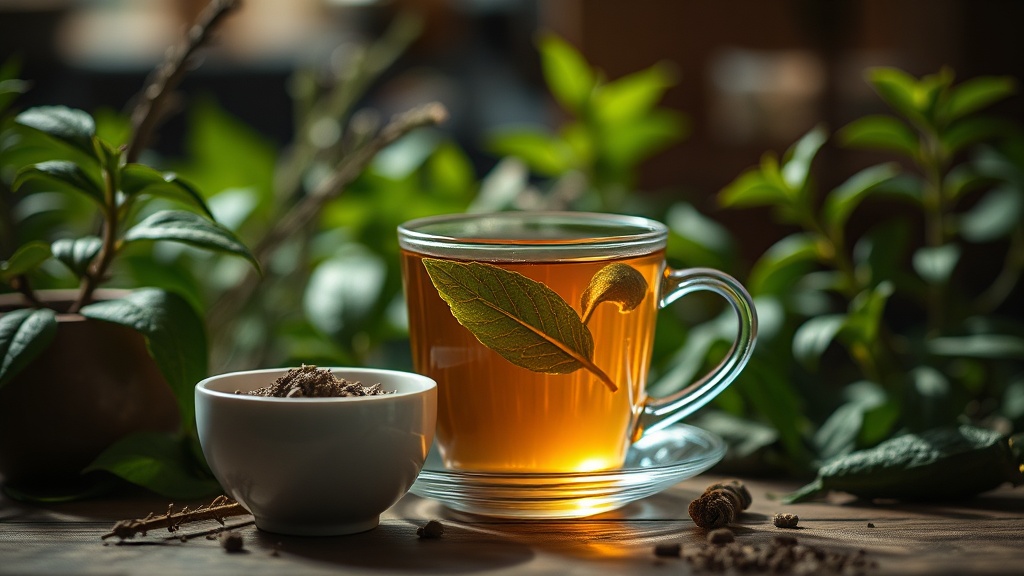
Why Your Herbal Tea Ritual Might Be Wasting Your Time

The Mistake Behind Your Evening Steep
Most people grab a box of herbal tea at the grocery store and assume they are practicing wellness. They think that because a product is labeled "natural," it automatically works with their body's chemistry. This isn't the case. A tea bag filled with low-grade chamomile or peppermint dust—often broken down into tiny particles during processing—won't provide the same therapeutic value as high-quality, whole-leaf botanicals. If you aren't paying attention to the quality of your herbs, you're essentially just drinking warm, flavored water. To get real benefits, you need to understand how different plants actually interact with your system.
The biggest misconception I see is that all herbal infusions are created equal. They aren't. The difference between a mass-produced tea bag and a properly prepared herbal infusion is massive. One is a superficial ritual; the other is a functional tool for your health. If you want to move beyond the surface level, you have to look at the specific plant parts and how they are prepared. A leaf is one thing, but a root or a bark requires a completely different approach to extract its goodness.
Does peppermint tea help with digestion?
Peppermint is often the go-to for a heavy meal, but there's a catch. While the menthol in peppermint can help relax the muscles in your digestive tract, it's not a one-size-fits-all solution. If your discomfort stems from acid reflux or heartburn, peppermint might actually make things worse by relaxing the lower esophageal sphincter (the valve between your stomach and esophagus). This can allow stomach acid to creep back up, causing that burning sensation.
Instead of blindly reaching for peppermint, consider what your body actually needs. If you're feeling bloated, you might want to look into fennel or ginger. These plants work through different mechanisms. For example, ginger is known for its ability to stimulate gastric emptying—essentially helping your stomach move things along more efficiently. If you're looking for information on how these plants work, the National Institutes of Health offers deep dives into the chemical properties of common herbs.
The Difference Between Tea and Infusions
If you want to stop wasting your time, you need to learn the difference between a simple tea and a true infusion or decoction. A standard tea bag is usually a blend of "tea dust." This means the active constituents are often depleted. To actually feel the effects of an herb, you need to use larger pieces of the plant and change your brewing method.
- Infusions: These are for the leaves, flowers, and soft stems. You steep them in hot water, but you don't boil the plant material itself. Think of chamomile or lemon balm.
- Decoctions: This is where most people fail. If you're using roots (like ginger or dandelion root) or bark, you can't just pour hot water over them and wait. You actually need to simmer the plant material in water for 15 to 30 minutes to break down the tough cellular walls and release the nutrients.
Without this distinction, you're missing the point of herbalism. You might be drinking a "ginger tea" that has zero actual ginger potency because the pieces were too small or the water wasn't hot enough to extract the gingerols. It's a frustrating cycle of expecting results and getting nothing back.
Can chamomile tea help with sleep?
Chamomile is the heavy hitter of the herbal world when it comes to relaxation, but it's often misused. Most people steep it for three minutes and call it a day. That isn't enough. To get the sedative effects of apigenin—the antioxidant that binds to receptors in your brain—you need a longer steep time. A proper chamomile infusion should be covered while it steeps to prevent the volatile oils from escaping through the steam. If you don't cover your mug, you're literally letting the medicine float away into the air.
I often tell people that a ritual without a method is just a habit. If you want to use chamomile to wind down, you should be steeping it for at least 10 to 15 minutes. This ensures the water is saturated with the plant's properties. It's a small change, but it changes the entire experience from a light snack to a functional-grade beverage.
Common Herbs for Daily Support
If you're looking to build a small pantry of functional herbs, don't just buy anything. Look for sources that prioritize organic, whole-herb options. Here are a few that I personally find useful for daily rhythm:
- Nettle: High in minerals and great for supporting the kidneys. It’s a bit of a powerhouse for anyone feeling depleted.
- Lemon Balm: Excellent for a gentle nervous system lift without the heavy sedation of other herbs.
- Dandelion Root: A great way to support liver function, but remember—this requires a decoction (simmering), not just a steep!
- Holy Basil (Tulsi): An adaptogen that helps the body manage stress over time.
The more you learn about the specific plant parts, the more you'll realize how much we've overlooked. It's not about how much you drink, but how well the plant is actually prepared. If you're interested in the botanical side of things, checking out resources like the botanical archives can help you identify exactly what you're putting in your cup. Don't settle for the dust in a bag; look for the actual plant life.