Why Your Gut Microbiome Dictates Your Mental Clarity

The Gut-Brain Axis: A Hidden Connection
Nearly 95% of your body's serotonin—the neurotransmitter often linked to mood stability—is produced in your gut, not your brain. This biological reality means your digestive health isn't just about bloating or digestion; it's a primary driver of how you think, feel, and focus. When the bacterial colonies in your intestines are out of balance, your cognitive function often takes the first hit. You might feel it as brain fog, a sudden drop in concentration, or even unexplained irritability.
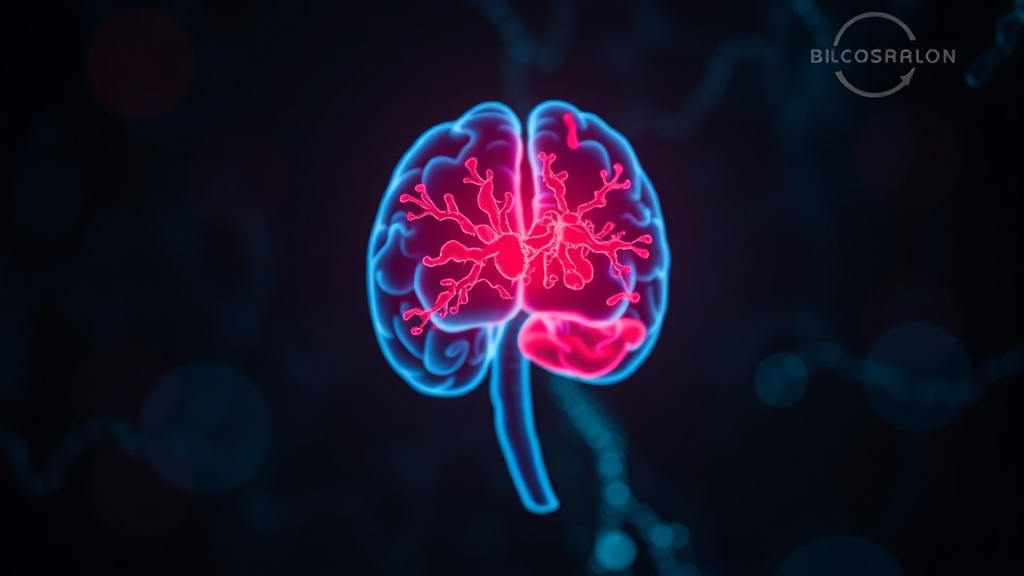
The communication between your enteric nervous system and your central nervous system is constant. It's a two-way street where signals travel via the vagus nerve, acting like a high-speed data cable between your gut and your head. If the data being sent from your gut is noisy or erratic due to inflammation or poor microbial diversity, your brain receives a distorted signal. This isn't just a theory; it's a biological reality that dictates how you process stress and maintain mental sharpness.
What Foods Support a Healthy Gut-Brain Axis?
To keep the signals clean, you need to feed the specific microbes that favor cognitive function. Instead of looking for a single "superfood," look toward a diversity of fiber-rich plants. When you eat a wide variety of plant-based foods, you support a diverse microbiome, which in turn supports a more stable mood. Here are a few groups that make a difference:
- Fermented Foods: Items like unpasteurized sauerkraut, kimchi, and kefir introduce live cultures that can help maintain a healthy balance.
- Prebiotic Fibers: Foods like Jerusalem artichokes, garlic, and slightly under-ripe bananas act as fuel for your beneficial bacteria.
- Polyphenol-Rich Plants: Deeply colored berries and cacao can support the growth of bacteria that produce anti-inflammatory metabolites.
It's a common mistake to think that a high-fiber diet is only for digestion. In reality, those fibers are the foundation of your neurotransmitter production. Without them, your gut-derived signals become weak and inconsistent.
Can Gut Health Improve Focus and Concentration?
Many people reach for a third cup of coffee when they feel a mid-afternsom slump, but the issue might actually be a lack of microbial diversity. A depleted microbiome can lead to systemic inflammation, which often manifests as cognitive fatigue. When your gut lining is compromised—a state sometimes referred to as intestinal permeability—metabolic byproducts can enter the bloodstream, triggering an immune response that clouds your thinking.
Studies from institutions like the National Institutes of Health (NIH) suggest that the composition of your gut microbiota is directly linked to cognitive performance and memory. By prioritizing a diet that supports these microbes, you aren't just helping your stomach; you're providing the necessary groundwork for sustained mental energy throughout the day.
How Often Should I Eat Fermented Foods?
Consistency matters more than quantity. You don't need to eat a jar of kimchi every day to see a difference, but incorporating small, regular amounts of fermented or prebiotic-rich foods can help maintain a steady state of microbial health. Think of it as a slow build rather than a quick fix. If you jump from a low-fiber diet to a high-fiber, fermented-heavy diet overnight, you might experience temporary discomfort—a sign that your system is adjusting to the new workload.
A balanced approach involves rotating your sources of nutrition. One day might be heavy on root vegetables, while the next includes more fermented liquids or cultured dairy. This rotation ensures that different strains of bacteria are being fed, which keeps your internal ecosystem resilient. If you find yourself struggling with constant brain fog, look at your plate before you look at your medicine cabinet. The way you fuel your gut is the way you fuel your mind.
The relationship between your gut and your brain is complex, but it's one of the most significant levers you have for managing your mental well-being. When you treat your digestive system as an extension of your neurological health, you start making choices that benefit your entire being. It's not about a single meal or a specific supplement; it's about a consistent rhythm of nourishing the tiny organisms that work tirelessly to keep your mind sharp and your mood stable.