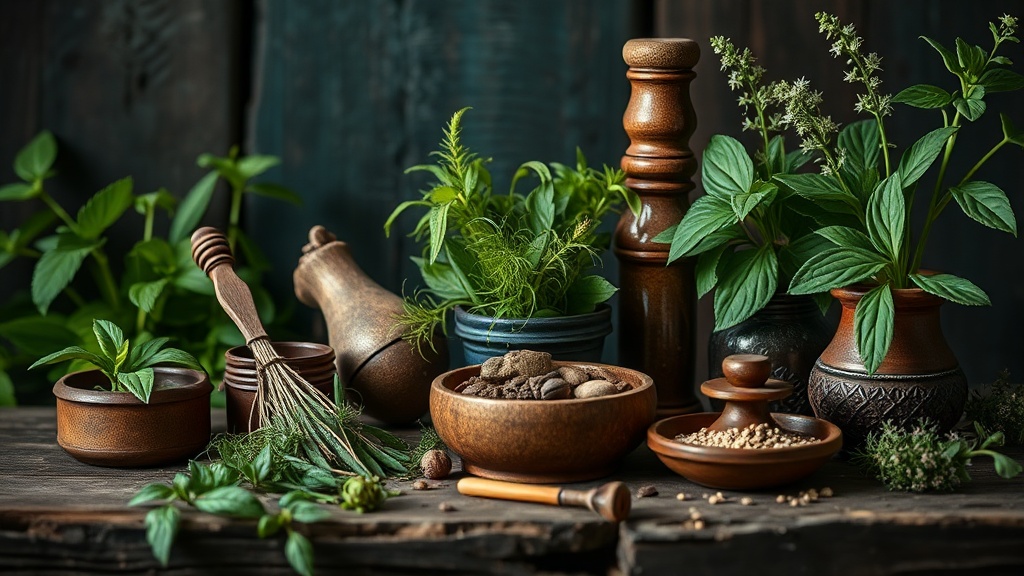
5 key Healing Herbs for Your Home Apothecary

What Are the Best Herbs for a Beginner's Home Apothecary?
This guide covers five healing herbs that belong in every home medicine cabinet—plants with centuries of traditional use and modern research to back their benefits. You'll learn exactly how to select, store, and prepare each one for common ailments like digestive upset, stress, minor wounds, and sleep troubles. Whether building a shelf in a Burlington apartment or a full pantry in the countryside, these herbs form the foundation of practical, plant-based care.
The home apothecary isn't about replacing medical professionals—it's about having trusted tools on hand for everyday situations. Here's the thing: most people already keep ginger tea for nausea or aloe for sunburns. Expanding that collection with intentional, high-quality herbs means fewer trips to the drugstore and a deeper connection to natural wellness traditions.
What Herbs Should You Stock for Digestive Health?
Peppermint and ginger top the list for digestive support, with peppermint easing bloating and ginger tackling nausea effectively.
Peppermint (Mentha × piperita) contains menthol, a compound that relaxes the smooth muscles of the gastrointestinal tract. This relaxation helps relieve gas, cramping, and that uncomfortable "too full" sensation after heavy meals. Many people find peppermint tea—like the organic loose-leaf varieties from Traditional Medicinals or David's Tea—works within twenty minutes.
The catch? Peppermint can worsen acid reflux in some individuals. Worth noting: enteric-coated peppermint oil capsules (such as those from Heather's Tummy Care) bypass the stomach entirely, releasing in the intestines where they're needed most. This makes them ideal for irritable bowel syndrome symptoms.
Ginger (Zingiber officinale) handles nausea like almost nothing else. Clinical studies consistently show ginger reduces pregnancy-related morning sickness, motion sickness, and post-operative nausea. Fresh ginger root from Whole Foods Market or your local co-op works beautifully—simply slice and steep for ten minutes. For travel convenience, Gin Gins chewy candies from The Ginger People pack a potent dose without requiring brewing.
Both herbs store well dried, though ginger root keeps for weeks in the freezer. Grate frozen ginger directly into teas or broths—no thawing required.
Digestive Herb Quick Reference
| Herb | Best For | Preparation | Cautions |
|---|---|---|---|
| Peppermint | Bloating, gas, IBS | Tea, enteric-coated capsules | Avoid with GERD |
| Ginger | Nausea, motion sickness | Fresh tea, crystallized, capsules | May interact with blood thinners |
| Chamomile | Mild stomach upset, stress-related digestive issues | Tea, tincture | Avoid if allergic to ragweed |
Which Calming Herbs Actually Work for Stress and Sleep?
Chamomile and lavender have the strongest evidence for promoting relaxation and improving sleep quality.
German chamomile (Matricaria chamomilla) contains apigenin, an antioxidant that binds to benzodiazepine receptors in the brain—producing mild sedative effects without the grogginess of pharmaceutical sleep aids. A 2016 study in Phytomedicine found chamomile extract significantly improved sleep quality in elderly patients.
That said, not all chamomile is created equal. Egyptian and German varieties dominate the market, with German chamomile offering higher key oil content. Look for whole flower heads rather than dusty tea bags—the difference in potency is remarkable. Frontier Co-op and Mountain Rose Herbs both sell certified organic chamomile flowers that retain their apple-like aroma.
Lavender (Lavandula angustifolia) works through multiple pathways. Inhaling lavender key oil (from brands like Aura Cacia or Plant Therapy) reduces cortisol levels within minutes. Taken internally as a tea or tincture—Silexan, a standardized lavender oil preparation available in Europe, demonstrates anxiety-reducing effects comparable to low-dose lorazepam in clinical trials.
For sleep support, combine chamomile and lavender in a bedtime tea blend. Steep one tablespoon dried chamomile flowers with one teaspoon dried lavender buds for eight minutes. The ritual itself—the scent, the warmth, the pause—contributes as much as the compounds.
What Herb Should You Keep for Cuts, Burns, and Skin Irritation?
Calendula (pot marigold) stands as the premier herb for topical skin healing and minor wound care.
Calendula officinalis stimulates collagen production, reduces inflammation, and possesses mild antimicrobial properties. Unlike many herbal remedies passed down without verification, calendula's wound-healing effects appear in peer-reviewed dermatology research. It speeds tissue repair while minimizing scarring—making it invaluable for kitchen burns, scraped knees, and dry, cracked winter skin.
The most versatile preparation is calendula-infused oil. Make it at home by filling a jar with dried calendula petals (from suppliers like Bulk Herb Store or Starwest Botanicals), covering with organic olive oil, and steeping in a warm spot for four weeks. Strain and use directly on skin or whip into a simple salve with beeswax.
Commercial options abound too. Weleda's Calendula Baby Cream—though marketed for infants—works beautifully on adult skin irritations. California Baby's Calendula Cream offers another reliable choice, available at most Target locations. Both contain high-quality calendula extract alongside simple, recognizable ingredients.
Here's the thing about calendula: it's gentle enough for children yet effective enough for adults. Keep a small tin of calendula salve in your kitchen drawer for immediate application to minor burns. The faster it's applied, the less blistering and pain you'll experience.
How Should You Organize and Store Your Home Apothecary?
Proper storage in airtight containers away from heat, light, and moisture preserves herb potency for one to three years.
Glass jars win over plastic every time. Amber or cobalt glass blocks damaging UV light. Mason jars work perfectly—label them with contents and purchase dates using masking tape and permanent marker. Store dried herbs in a cool pantry or cupboard, never above the stove or near windows.
Tinctures (alcohol-based extracts) last five years or more when stored properly. Companies like Herb Pharm and Gaia Herbs produce professional-quality tinctures if you prefer buying over making. Keep these in dark bottles with droppers for precise dosing.
key oils require special care. Store in small amber bottles with orifice reducers—the little plastic inserts that allow drops. Refrigeration extends the life of citrus oils prone to oxidation. Mountain Rose Herbs and Eden Botanicals supply therapeutic-grade key oils with batch-specific GC/MS testing reports.
"The medicine cabinet of the future will look more like a garden than a pharmacy." — Traditional herbalist saying
Rotate stock seasonally. Check dried herbs by appearance (faded color means faded potency) and smell (aromatic herbs should still smell strongly). When lavender stops smelling like lavender, it's compost—not medicine.
Where Can You Source Quality Herbs in Canada?
Canadian herbalists have excellent local options. Mountain Rose Herbs ships organic, sustainably wildcrafted herbs across North America with detailed certificates of analysis. In Ontario, Whistling Well Farm near Warkworth grows exceptional small-batch herbs. The Burlington Farmers' Market (seasonal, at Spencer Smith Park) occasionally features herb growers from the Niagara region.
For immediate needs, Healthy Planet and Nature's Emporium carry respectable dried herb selections. Read labels carefully—avoid products with "natural flavors" added to what should be pure plant material.
Start small. A home apothecary grows organically (pun intended) as needs and knowledge expand. These five herbs—peppermint, ginger, chamomile, lavender, and calendula—handle perhaps eighty percent of common household complaints. Master them before branching into adaptogens, medicinal mushrooms, or Chinese herbal traditions.
The real magic? Opening that cabinet and knowing exactly which plant ally to reach for. There's quiet confidence in that competence.